Just Breathe and Know You're Burning Fat — Meet "Breath Acetone"
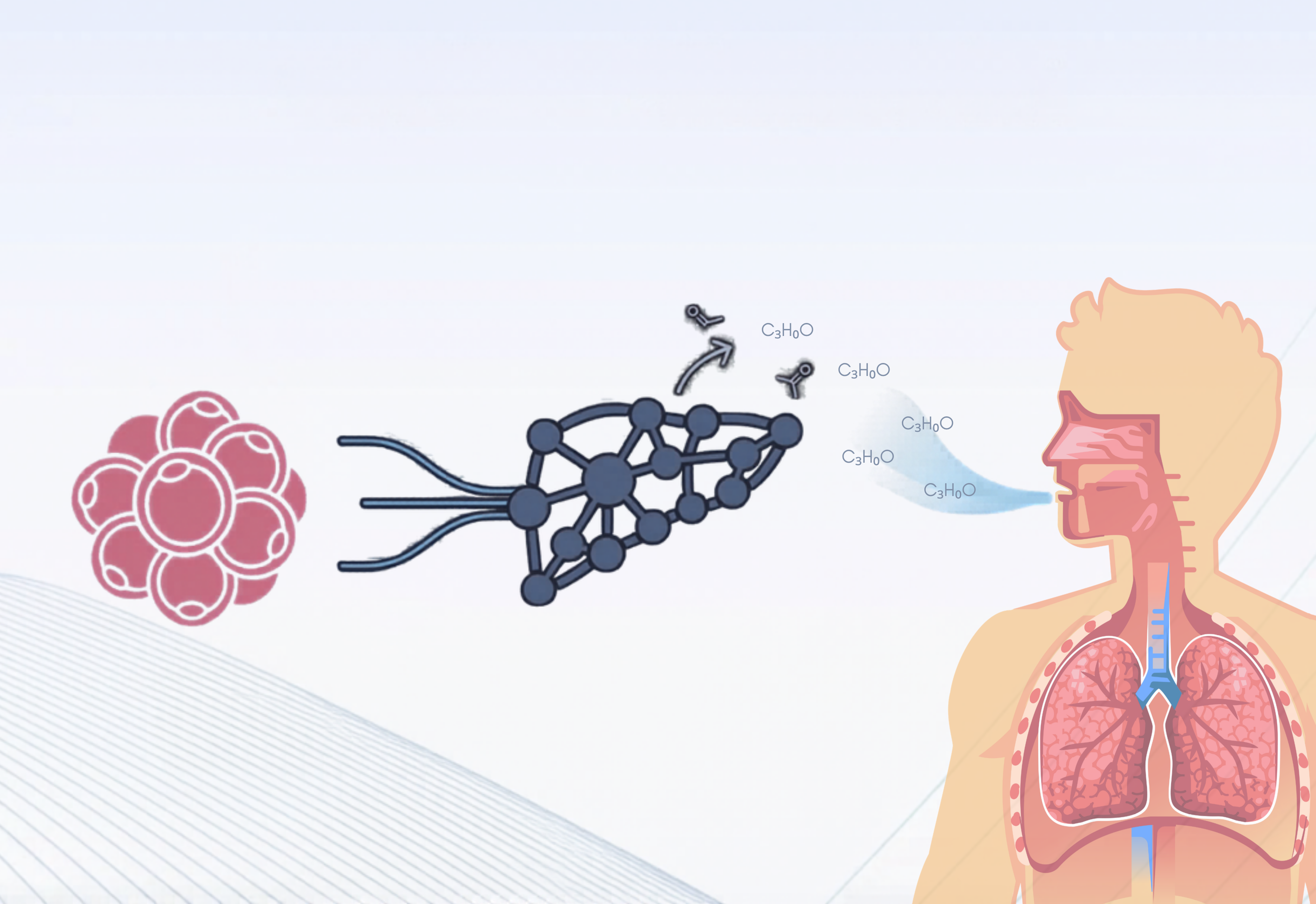
You've probably heard the term "fat burning," but did you know that when your body is actually burning fat, it leaves behind a "clue"? That clue is hidden in every single breath you take.
What happens in your body when fat is being burned?
When your body starts burning fat as an energy source, the liver converts fatty acids into substances called "ketone bodies." There are three types of ketone bodies, and one of them is called "acetone." Acetone has a very small molecular weight, so it diffuses from the bloodstream into the lungs and is exhaled out of the body with every breath.
Put simply: the more fat you burn, the higher the concentration of acetone in your breath. This is the origin of "breath acetone."
The numbers tell the story
According to research, healthy adults on a normal diet typically have a breath acetone concentration between 0.5 and 2.0 ppm. Once you start a low-carb diet, intermittent fasting, or sustained exercise, this number rises noticeably — indicating that your body is "switching fuels," shifting from burning carbohydrates to burning fat.
Scientists have found that maintaining breath acetone above a certain concentration is highly correlated with steady fat loss. One study pointed out that when breath acetone is maintained at around 2 ppm, participants lost an average of approximately 0.5 pounds (about 227 grams) of fat per week.
Why does this matter?
In the past, we could only rely on the scale to judge whether we were "losing weight," but weight changes are influenced by many factors such as water retention and muscle mass. Breath acetone is different — it directly reflects the fact that fat is actively being broken down, making it a more immediate and more precise indicator of fat burning.
With a single breath, you can know whether your body is burning fat. This isn't futuristic technology — it's already been scientifically validated.
References:Anderson (2015) Measuring Breath Acetone for Monitoring Fat Loss: Review ;
Bovey et al. (2018) Breath acetone as a marker of energy balance ;
Reichard et al. (1979) Plasma Acetone Metabolism in the Fasting Human